Every delivery route may be transformed into a map that can communicate with the help of a truck navigation app, which helps drivers navigate around unforeseen construction, low bridges, and lines of traffic. While drivers are able to reliably follow the course, managers are able to check progress in real time, allowing them to identify potential deviations before they become a hassle. It is the equivalent of having a co-pilot who never stops moving and never requests a break for a cup of coffee.
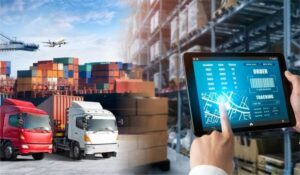
Managing one’s time begins to improve immediately. The application provides drivers with the ability to avoid rushing through traffic or wasting hours waiting at congested intersections by highlighting bypasses, predicting delays, and calculating realistic arrival times. Suddenly, routes that in the before seemed like a labyrinth made sense, and drivers arrive less agitated and more focused than they were before.
Both fuel consumption and vehicle wear decrease in a manner that is not only noticeable but also quiet. It is possible to reduce idling by avoiding stop-and-go traffic congestion. Additionally, smoother turns and steady speeds reduce the strain that is placed on engines and tires. It is a savings that is not visible to the naked eye, and it accumulates without anyone having to do any calculations at the end of the week.
Roadblocks that were not anticipated become easier to overcome. When accidents, weather advisories, or sudden closures occur, the app promptly notifies drivers of the situation, allowing them to make adjustments without having to call the office five times. Even if the world outside attempts to throw a curveball, decisions are made quickly, stress levels remain low, and deliveries are made the majority of the time according to the schedule.
The addition of fresh drivers or vehicles makes the situation feel less scary. Everyone is able to synchronize with the app, adhere to the routes that have been approved, and swiftly adjust to changing schedules. The fleet begins to move more like a well-coordinated unit rather than a collection of cars trying to find their way through unfamiliar streets. This provides management with more time to plan rather than continually reacting to the situation with their vehicles.
